Summary of the foundation of the country of one or more Zutendaal missionaries ...
Country summary with history, mission regions, where one or more Zutendaal missionaries were sent out to...
with underneath list of those zutendaal missionaries staying there
History, profile and mission of Philipinnes
The Philippines is an archipelago in Southeast Asia (about 7,600 islands), with Manila as its capital. Area of the Philippines: ~300,000 km² — about 9.8 times the size of Belgium (Belgium: 30,689 km²). Population of the Philippines (2025): ~118 million (Belgium: ~11.8 million).
When was it a “colony,” and when did it become independent?
Spanish period: de facto from 1565 (Legazpi in Cebu); Manila founded 1571 — Spanish rule until 1898.
American period:1898–1946 (with Japanese occupation 1942–1945).
Independence:4 July 1946 (Republic of the Philippines). The national holiday was later moved to 12 June (commemorating the 1898 declaration of independence).
First missionaries — who, where, and why?
Why: Iberian expansion (trade/spice routes) combined with Catholic evangelisation under the Patronato Real.
First Catholic orders & dates:
Augustinians (1565, Cebu ? later Manila)
Franciscans (1578, central Luzon & Bicol)
Jesuits (1581; northern Luzon and later Mindanao)
Dominicans (1587; Pangasinan, Cagayan Valley, Batanes)
Recoletos (1606; Mindoro, Palawan, parts of the Visayas)
First mission stations: mainly coastal and river-mouth settlements (Cebu, Manila), later expanding inland to market centres and villages.
Belgian presence (selected)
CICM / Scheut Missionaries (Congregation of the Immaculate Heart of Mary): from 1907 (notably in Northern Luzon — Baguio/Ilocos/Cordillera; education, e.g., the St. Louis school network).
ICM Sisters (Sisters of the Immaculate Heart of Mary): education and healthcare.
Development of mission work & its “high point”
16th–17th centuries: rapid Christianisation of Luzon and the Visayas through parish networks, schools, and hospitals.
1768–1859: Jesuits absent due to suppression of the order, later returning.
19th century: expansion of education and printing; tensions around secularisation (Philippine secular clergy) and rising nationalist movements.
c. 1900–1930: extensive network of parishes, schools, hospitals; Catholicism dominant in Luzon and the Visayas.
Today: predominantly Christian country (approx. 80% Catholic, ~9% Protestant/other Christians); Muslim minority in Mindanao/Sulu.
Population “then” and its evolution
16th century (contact era): roughly 1–1.5 million (estimates).
1903 (first American census): ~7.6 million ? 1939: ~16 million.
2025: ~118 million.
Poverty — how much and why? (Overview)
Colonial era: encomienda and friar estates; the galleon trade concentrated wealth among elites, with widespread landlessness.
19th–20th centuries: cash-crop economy (sugar, abacá); shocks (epidemics, typhoons); unequal access to land and education.
Post-1946: economic growth but persistent structural poverty, especially in rural regions (Mindanao, Bicol, Eastern Visayas), worsened by natural disasters, conflict, and unequal land distribution. (Since the 2000s: gradual decline, but uneven regionally.)
Challenges for mission work
Geography & languages: an archipelago with 150+ languages — logistical and translation challenges.
Religious context: Muslim sultanates in Mindanao/Sulu resisted Christian expansion for centuries (Moro wars).
Political factors: uprisings (e.g., Philippine Revolution 1896); U.S. church–state separation; rise of the Aglipayan Church (Philippine Independent Church, from 1902), leading to loss of parishes and property.
Health & disasters: cholera and epidemics; frequent typhoons and earthquakes.
The first missionary in the Philippines
Year: 1565 Name / Order:
Fray Andrés de Urdaneta, Augustinian
He accompanied the Spanish conquistador Miguel López de Legazpi, who in 1565 founded the first permanent Spanish settlement in Cebu.
Location:
Cebu (Visayas) — the first permanent Spanish foothold and also the first mission station.
The Augustinians immediately began baptisms, education, and care, and built the first church in the country (the Basilica del Santo Niño).
Why:
For the Spanish Crown, mission and colonisation were inseparable: “Evangelisation as an extension of Spanish sovereignty.”
The aim was to Christianise the population and thereby legitimise Spanish rule.
The first Scheut Missionaries (CICM) in the Philippines
Year: 1907 Order:Congregation of the Immaculate Heart of Mary (CICM – Scheut Missionaries, Belgium)
First mission area:
Northern Luzon, mainly the Cordillera region (Baguio, Benguet, Ifugao, Abra, Ilocos).
They were invited by the American colonial administration and the Catholic hierarchy to evangelise the north, where there were few priests.
Why this area:
Spanish missionaries had focused mostly on lowland and coastal regions.
The mountain peoples (Igorot, Ifugao, Kalinga) were largely non-Christian.
The Belgian Scheutists were assigned the task of mission work in these highland areas.
What they did:
Founded schools, catechist training centres, and seminaries — forming the St. Louis network (Baguio, Tuguegarao, Vigan, etc.).
Developed the regional education and healthcare systems together with the ICM Sisters (Immaculate Heart of Mary, Berlaar).
Cooperation between CICM and ICM often arose naturally through shared methods of working, mutual trust, and assisting each other in opening access to certain regions or institutions — even when no direct help was involved.
Timeline
Year / Period
Event
Order / Region
1565
First missionary Fray Andrés de Urdaneta in Cebu
Augustinians
1578–1600
Expansion of Franciscan, Jesuit, and Dominican missions
Central & Northern Luzon, Visayas
1907
Arrival of the first Scheutists (CICM)
Northern Luzon, Cordillera
1908–1915
Founding of schools and seminaries
Baguio, Vigan, Tuguegarao
20th century
Strong growth of Catholic institutions (education & healthcare)
Throughout Luzon and the Visayas
< !-- ✅ Toegevoegd blok: tabel met missionarissen-- >
List of Missionaries from Zutendaal working in Philipinnes

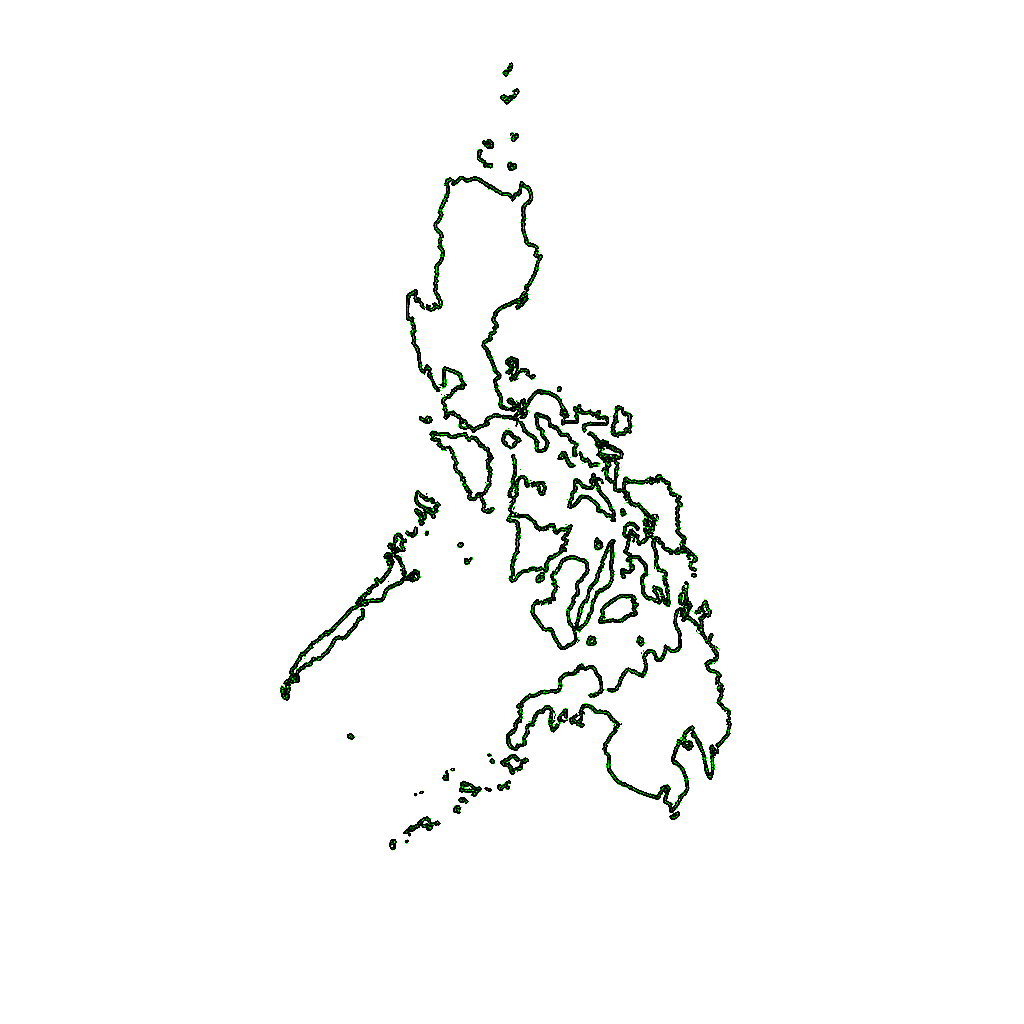
 Missionaries of Zutendaalse side by side...
 On the world map...